In our previous blog, we wrote about using the MTSS (Multi-Tiered System of Supports) Framework for Social and Emotional Learning (SEL). We provided an overview of MTSS, discussed the importance of using SEL in Tier 1 instruction, and outlined what SEL can look like in each tier of the MTSS Framework. If you are curious about MTSS, the AIR Center on MTSS is a wonderful resource available here.
Our last post discussed the “what,” and now you might be wondering about the “how.” More specifically, a question you may have had was, “How do I determine Tier 2 groups in an SEL-oriented MTSS Framework?” The same way we determine Tier 2 groups for math and literacy! We look at data.
Collecting Data
Just as with academics, you wouldn’t try to collect data about every math standard at the same time; you’d pick a few to focus on based on your Tier 1 instruction. So the first step in SEL data collection is to identify the specific skills you want to observe. From our experience, it’s helpful to start with the emotional and intrapersonal developmental skills within self-awareness and self-management as you get to know your students, then move on to the other SEL components as the school year progresses as social and interpersonal skills are introduced in Tier 1 instruction.
You likely already have a system in place for collecting data in academic subjects, based on informal and formal formative assessments, screeners, progress-monitoring assessments, or summative measures. Many of these same methods can also be used to document social and emotional skills; however, we are most likely to obtain the data we need through observing students. As with academics, the key is to collect data over time to determine consistency with a skill. Here are a few ways to observe social and emotional skills:
- Class List Notes: Print a class list and jot down notes about which social and emotional skills were observed. These observations could come from watching students during an SEL-based activity in your classroom and during any less structured time, such as lunch, recess, and transitions. This was the way we collected data during our first few years of teaching.
- Running/Anecdotal Records: Essentially, this is a way of observing one (or a small group) of students by writing down everything you notice over a short period and then going back to the notes later to analyze the data. This method just requires a notebook or even some scrap pieces of paper. Stacy used to keep scrap paper all around her classroom; she would write down notes as she observed, put them in her pockets, and organize them at the end of the school day. It is also a simple method as you aren’t responding in the moment, just writing down observations.
- Checklists: Checklists are a great way to keep track of what you observe in your classroom. An easy way to use a checklist format is to copy your class list and have multiple checkboxes beside each name. You will identify a specific skill you would like to observe and then simply check the box to indicate the skill was demonstrated. Use checklists when you're observing individual students, small groups, or whole class activities. Checklists can also be used for self-reflection in the upper grades.
Next Steps–What do you do with your SEL Data?
Just like with math and literacy data, to effectively help students in the MTSS Framework, we need to do something with the data. Collecting data is an essential part of the process, especially when determining which students need to move to Tier 2 instruction. Your observations provide the data needed to have the conversations that will help teachers identify Tier 1 instructional practices and determine which students need intervention–just as we would do with math or literacy. Then we need to ask ourselves: are my students able to independently demonstrate the skills I taught in Tier 1 instruction? If not, who might benefit from Tier 2 small group interventions?
Based on the data you collected, you will have two groups of students: those who can consistently demonstrate independence in the SEL skill you observed and those who haven’t been able to do so independently (and thus need Tier 2 or 3 support). By independently, we mean by themselves, without adult guidance, in authentic situations.
We recommend using a team approach to creating groups by talking with your grade-level team, school counselors, and special educators to review data together. With this approach, you might determine a specific area to observe beforehand, gather the data, and then come together to discuss and analyze it.
Some factors to be considered when thinking about and planning SEL Groups:
- Tier 2 groups and Tier 3 supports do not automatically include only students who have IEPs.
- Flexibility is an important factor as groups are formed and reformed based on ongoing observation and data collection. When students have consistently demonstrated a skill with independence, they are ready to practice a new one.
- Tier 3 SEL groups will look different from academic groups as they might include in-school therapy sessions to help process events, playing board games with a special educator to learn delayed gratification, or developing a toolkit for emotional regulation with a school counselor.
- Involve families by providing ways to support the student in developing the skill beyond the school setting.
Some ways we have provided Tier 2 support are:
- Intervention Time: Some schools call this period WIN (What I Need) or Ketchup (Catch Up) Time. The benefit of providing Tier 2 support during an already scheduled intervention time is that you can collaborate with your grade-level team, a special educator, and the school counselor, each taking small groups.
- Lunch Bunches: Tania loves having lunch with her students because it’s a great way to establish relationships. Over the years, she has learned that these lunches can also be a great time to offer Tier 2 support by having targeted discussions about the social and emotional skills they need to work on, play games, and have individualized discussions.
It’s important to note that all students are still working on different social and emotional skills during ongoing Tier 1 instruction. This is beneficial, as students in Tier 2 groups may be receiving a “double dose” of instruction if you are working on the same skill. Or can begin connecting the skill they are working on with different skills, as many social and emotional skills are integrated. Also, in the Tier 2 groups, you are still collecting data to determine which students can demonstrate independence with the skills now that they’ve received small-group intervention, and which students would benefit from a Tier 3 level of support (one-on-one instruction with a special educator or school counselor).
When we think through these questions, we ensure we create intentional, data-informed Tier 2 and 3 groups. This is the purpose of aligning our SEL instruction to the MTSS framework–when we do so, we build data-driven, intentional learning experiences to help all students succeed in the classroom.
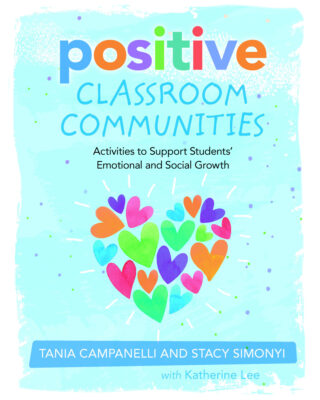
In Positive Classroom Communities, we offer support in implementing the MTSS framework for Social and Emotional skills by providing Tier 1 instructional activities that can also be used for Tier 2 support. Additionally, we created downloadable checklists for observing students and collecting data. The checklists are grounded in the five CASEL components of self-awareness, self-management, social awareness, relationship skills, and decision-making skills. We identified skills in each area that can be observed in a school context. You can use the data collected from the checklists to plan instruction and determine the different levels of support students may need for Tier 2 interventions.