by Stacy Simonyi and Tania Campanelli
Self-Management for Students
Self-management, or self-regulation, is the process of managing emotions, behaviors, and thoughts. This builds on our self-awareness. Once we understand how we experience emotions, the next step is to develop strategies to manage them. When we can regulate our emotions, we are more productive community members.
But self-management skills go beyond emotion management; they include goal setting, understanding personal motivations, and delaying gratification. Self-management is also an important aspect of resilience building, which is important for students to handle challenging events and learn from mistakes. We build resilience by learning specific coping strategies to manage unpleasant emotions, as well as through understanding personal motivations and intention setting.
Self-management skills develop as children grow. Basic skills need to be in place before more nuanced skills. For example, many younger children benefit from hearing from an adult, “It’s okay to cry if you are feeling sad or frustrated.” This helps give them a first step toward releasing emotions and naturally calming the body, so they can be in a headspace to start verbally processing their feelings. As children become more adept at regulating their emotions, they might not need to cry to express themselves; however, they still need support, such as being given choices for how to feel better and regulate - reading a book, coloring, going for a walk down the hallway, or getting a drink of cold water.
Why is teaching self-management so hard?
Teaching social and emotional skills is a vital part of being an elementary school teacher; however, these skills can sometimes feel like the most difficult (and time-consuming) to teach. One reason for this has to do with brain development. Elementary school students have the capacity for logical reasoning, yet their prefrontal cortices are not fully developed, making them more prone to impulsive behavior and intense emotions. An example of this can be found in The Science of Challenging Behaviors post for Teaching Unscripted. What we can offer them is the opportunity for consistent practice, an understanding that self-management skill growth ebbs and flows (a lot!), and self-management instruction that’s differentiated for students’ varied needs and entry points.
Planned SEL lessons and general practices to build self-management skills are worthwhile additions to your busy school days, especially when consistently incorporated. Through these lessons and practices, students can learn coping strategies to manage their emotions and set goals grounded in personal motivation when they feel calm.
Suggested Planned Self-Management Activities from Positive Classroom Communities:
|
When students inevitably become dysregulated, it is more difficult for them to remember the learned strategies. That can be frustrating for us adults. However, the most impactful time to teach self-management is in these responsive moments because the instruction is individualized and differentiated for the student.
Examples of Responsive Practices:
- Checking in with a student during every transition. Tania has a student who often gets “stuck” in his negative emotions, which he holds onto for the entire day. Therefore, Tania has begun to pull him aside during transitions to remind him of his positive moments. Most days, it is enough to hear himself say “I’m having a great day” aloud. Other days, these check-ins involve identifying and acknowledging one specific moment in his day that was successful.
- Doing daily affirmations with students. Stacy often incorporates daily affirmations into her greetings, asking her students to think of positive messages to share with one another during morning meetings. To start our day, wouldn’t we all love to hear, “Good morning, Zoë. You are amazing!”
- Reflecting on an incident that happened during recess when students come back to class. Both Stacy and Tania have used check-ins with students immediately after parts of the day that tend to have more conflicts–recess, PE, and lunch are typically when this happens most. The check-ins are general and often quick, but if there is a conflict that needs to be addressed, they help students reflect on what happened and make a plan for the next day.
Is this exhausting work? Absolutely. But all of these “additional moments” add up to make this work worth every moment, because students’ developing brains expend less energy on self-regulation, meaning they are more available to learn.
What about for us, the adults? We need self-management strategies, too! Here are a few strategies we use to help us with self-management:
- Stacy uses to-do and to-done lists every day. She creates her to-do list in the morning as she drinks her tea. She identifies the tasks on her mind, then organizes them into those to be accomplished that day and those that can wait until later. This helps her regulate and prepare for the day ahead.
- At the end of the day, Stacy creates a list of everything she did throughout the day, which helps her feel productive, easing her anxiety about what remains on the (long) to-do list.
- Tania sets aside 15 minutes every evening to either read or draw. This helps take her mind off of work so that she doesn’t keep thinking about the millions of things she still needs to get done, or the interactions that she could have handled better that day. Reading or drawing before she goes to bed reminds her that, as much as she loves her job, she is more than just a teacher, she is a human and it’s OK to take time for herself and not be thinking about work. This reduces her stress and allows her to sleep and be recharged and ready for the next day.
Self-Management is a skill that everyone needs to learn and continue to practice. Time spent regulating yourself and your students is always worth it!
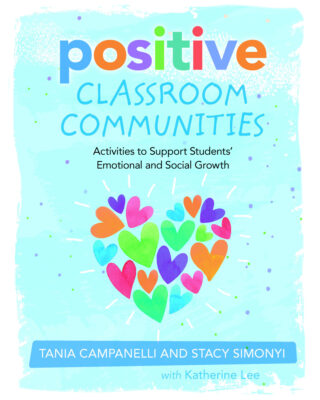
In today’s classrooms, academic success begins with emotional and social connection. Positive Classroom Communities: Activities to Support Students’ Emotional and Social Growth is your practical guide to fostering an environment where every child feels ready to learn.
Rooted in the trusted CASEL framework, this book provides easy-to-implement strategies, flexible activities, and compassionate guidance to help students build self-awareness, manage emotions, navigate relationships, and make responsible decisions. Whether you’re new to Social and Emotional Learning (SEL) or looking to deepen your practice, this resource empowers you to support each student’s unique journey—while nurturing a positive, inclusive classroom culture.