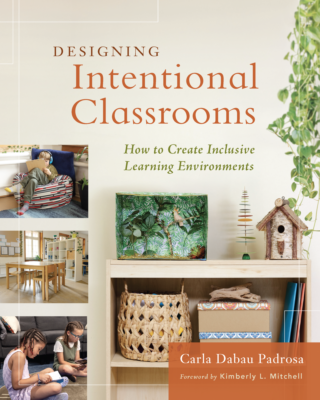
Adapted from Carla Dabau’s Designing Intentional Classrooms.
Cultivating calm is about creating a space that alleviates stress, enhances focus, and nurtures emotional well-being, not just for students, but for teachers, too. Teaching is challenging enough without the distraction of a chaotic or visually overwhelming classroom. As Maria Ballester, a first-grade teacher in the Netherlands, put it, “The classroom is an extension of what the teacher wants to transmit.” Every detail, whether it’s a calming color, a plant, or a purposefully organized workspace, reflects the values and intentions you bring to your teaching.
A well-designed classroom is more than aesthetics, just like classroom management is more than just rules. One shapes the other. The way a space is arranged, the colors on the walls, the presence of natural elements, the placement of furniture: These seemingly small details don’t just influence how a classroom looks; they also shape how it feels, how it functions, and how students behave in it. A peaceful, intentionally designed space sets the stage for focus, cooperation, and emotional regulation—key components of effective classroom management.
Why This Matters
Consider this: A cluttered, overstimulating space can cause students to become restless and distracted in the same way that unclear teacher expectations can. The two aren’t separate concepts; they’re complementary forces. A calm, intentionally designed environment can set the stage for focus, cooperation, and emotional regulation—key components of effective classroom management.
Flynn and Colby (2017) emphasized that classrooms should be cultivated as homes for learning where students feel a sense of safety, belonging, and ownership over their environment. When students see their classroom as a place that reflects their needs and identities, they become more engaged, motivated, and regulated. Similarly, Lynch (2024) highlighted how structured routines, sensory-conscious decisions, and mindful classroom layouts are closely connected to behavior, engagement, and overall classroom culture. A thoughtfully designed space makes these strategies more effective, reinforcing the stability, comfort, and connection that both teachers and students need to thrive.
At its core, this principle is not just about creating a visually pleasing classroom but also about crafting an experience that supports well-being and learning in equal measures. When design and management work together, the classroom transforms from a place of instruction into a space where both teaching and learning can truly flourish.
Practical Tips
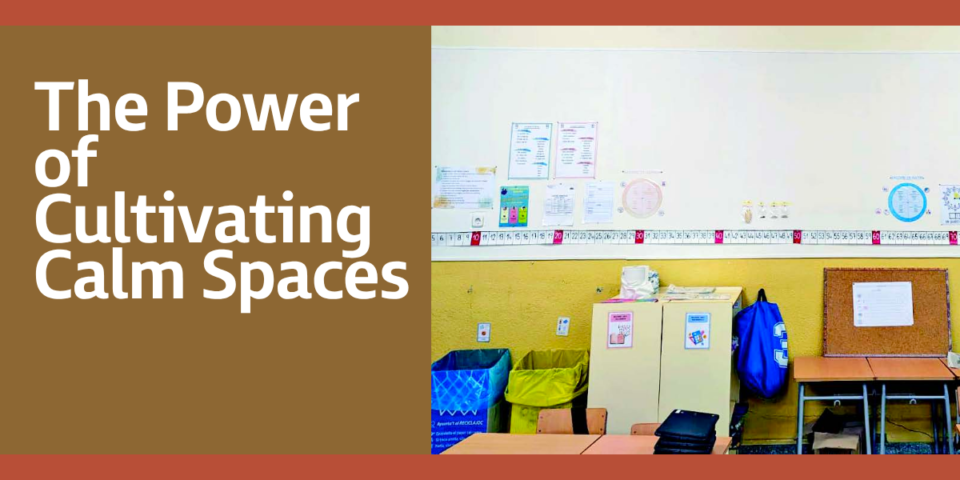
- Use calming colors. Soft browns, greens, and neutrals naturally help create a peaceful, grounding environment. Teachers in busy, crowded classrooms have found that even one calming color can settle a space. If you’re working with a limited budget, consider a single accent wall or bulletin board in a calming shade like beige or light brown.
- Reduce clutter. Do you really need everything you have in the classroom? Overfilled bookshelves, stacks of papers, and scattered supplies can overwhelm both students and teachers. Organizing with clear bins and labeled containers makes the room feel more spacious. For teachers with little time, try tackling one area at a time—a single shelf, a desk, or the art supplies corner. Even small steps toward decluttering can have a significant calming effect.
- Incorporate natural elements. Adding plants and natural textures like wood can create a refreshing and welcoming atmosphere. Studies on classroom aesthetics indicate that plants can reduce stress levels and help students concentrate (Han 2009; Nieuwenhuis et al. 2014; van den Berg and Custers 2011). Even with a small budget, you can start with one or two resilient, low-maintenance plants to add a bit of nature to your classroom.
- Create focused zones. Designate areas for different activities—a quiet corner for reading, a group worktable, or a space for creative projects. This simple change helps students feel more grounded and makes transitions smoother. Teachers with smaller rooms can use partitions or shelving to create subtle “zones” without needing extra space.
Teaching can be incredibly rewarding, but large classes, small classrooms, low budgets, scant storage, and relentless demands make classroom organization a real struggle. On top of that, burnout is a real risk. Designing a calming space isn’t just to benefit students; it’s also about creating a place where you, the teacher, can feel comfortable, energized, and supported throughout the day.
Creating these spaces can also help with classroom management. Research shows that when students are in a calm, organized environment, they tend to act calmer, too; can you imagine how it similarly affects teachers? A peaceful classroom doesn’t just look attractive; it can reduce distractions and behavior issues. It’s a win-win: Students feel more focused, relaxed, and respected, and teachers spend less time managing behavior and more time teaching.