From Designing Intentional Classrooms by Carla Dabau Padrosa.
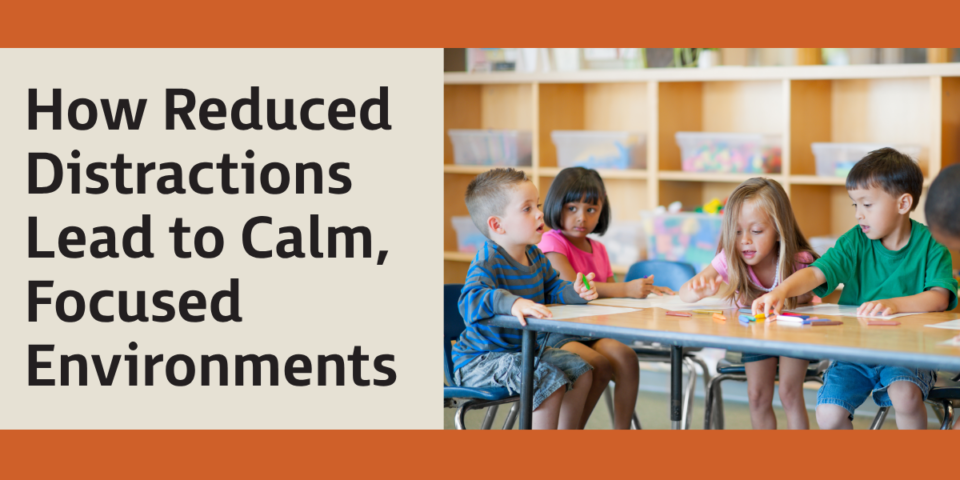
Design spaces that reduce distractions and guide students toward calm, focused learning. Let’s be honest: Asking a student to focus in a modern classroom is like asking a squirrel to ignore an open bag of snacks. Between the buzz of laptop notifications, the bell, overlapping voices, chairs scraping, classroom displays screaming for attention, and someone’s snack wrapper crinkling like thunder in the corner, it’s no wonder focus has become an endangered skill.
The truth is, most students want to maintain focus; they just don’t always know how to hold it in a space working against them. The same is true for us teachers. We set down our coffee, walk three steps to make a copy, and, “Wait. What was I doing again?” (Sound familiar?)
Focus needs support. Not shaming. Not silence. Just intentional cues and thoughtful design. This is about making your space work with you so you’re not spending your day managing wandering brains and overwhelmed bodies. It’s about building in the quiet where you can and learning to protect it like the precious commodity it is.
Why It Matters
A classroom with designated focus areas helps students regulate their attention, reduces distractions, and enhances learning outcomes. With the rise of technology use in classrooms, it is more critical than ever to intentionally balance digital engagement with quiet, focused spaces. Research suggests that overexposure to screens and auditory stimuli can lead to cognitive overload, reduced attention spans, and increased stress levels. By implementing targeted design strategies, educators can help students build self-regulation skills while ensuring technology remains a tool for learning rather than a source of distraction.
In an era where digital tools are embedded into every aspect of learning, balance is essential for both teachers and students. While interactive whiteboards, tablets, and online resources enhance instruction, they can also contribute to overstimulation. Classrooms need intentionally tech-free zones and times just as much as they need interactive screens.
Try It Tomorrow
- Use soft, fabric-covered walls, rugs, and plants to absorb sound and minimize classroom echo.
- Create a calm cue instead of asking kids to focus. Try playing soft instrumental music or using a chime to signal transitions. Notice how the energy of the room shifts when you lead with sound instead of volume.
- Establish a tech-free block each week or a daily twenty-minute unplugged period in which students engage in written reflections, book-based research, or physical manipulatives. Ask students, “Was it easier or harder to concentrate today?”
- Dim screens when not in use: Bright blue light is stimulating, so adjust screen brightness to softer settings.
- Encourage your students to take 20-20-20 breaks: Every twenty minutes, they look twenty feet away for twenty seconds to reduce screen strain.
- Ask this: “What helps you focus?” Take three minutes and ask your students to reflect on this by writing or drawing their responses. You might be surprised at what small adjustments could help everyone concentrate better.
- Reflect with a colleague. During lunch or prep, ask another teacher: “What’s one small thing you’ve done to make your room calmer or more focus-friendly?” Sharing ideas might inspire a change you hadn’t thought of.